
Simple Header

If You’re Dealing With Frequent Urination or a Weak Stream, This May Explain Why Nothing Has Worked So Far

Many men are told that frequent bathroom trips, poor urine flow, or nighttime urgency are just “part of getting older.”

But according to recent research, there’s an overlooked internal factor that may quietly worsen prostate pressure over time — even if you’ve tried medications or lifestyle changes.

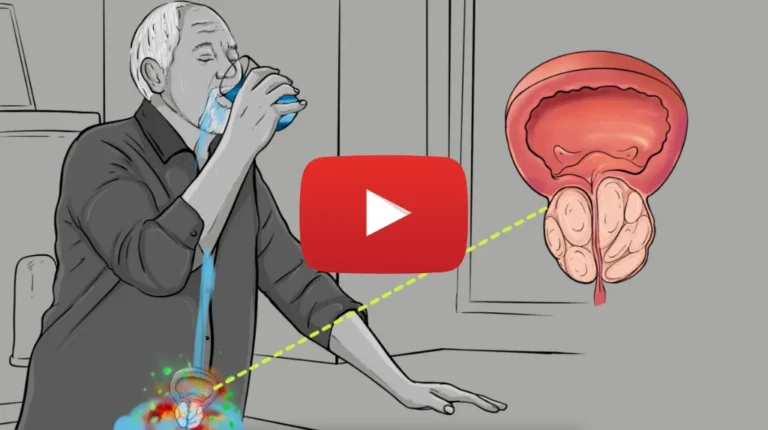
The short video below explains how this factor was discovered and why some men notice relief only after addressing it directly.

Important: The presentation starts with a brief explanation that may seem unrelated at first — but it’s essential to understand the full picture.

Men over 40 across the U.S. are quietly dealing with an uncomfortable and embarrassing problem: waking up multiple times per night to urinate, weak or interrupted flow, and the constant feeling that the bladder is never fully empty.

Most are told this is simply “part of getting older.” But emerging evidence suggests something far more concerning may be happening inside the body — and age may not be the real culprit.

Independent researchers studying male health patterns in Japan noticed something unusual: in certain regions, men in their 70s and 80s report far fewer prostate-related urinary issues compared to men in Western countries.

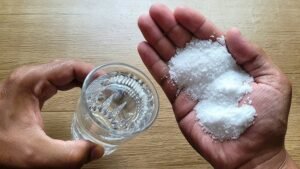
This led them to investigate a hidden factor most doctors rarely discuss — a buildup of microscopic mineral residue that can slowly increase pressure around the bladder and prostate over time.

Much like limescale clogs old plumbing, this internal buildup may interfere with normal urinary function, triggering urgency, weak flow, and nighttime bathroom trips.

Instead of focusing on medications or invasive procedures, researchers describe a simple daily ritual tied to water quality and mineral exposure that aims to address this overlooked mechanism at its source.

In a short video presentation, this discovery is explained step-by-step — including why many common treatments fail to solve the real issue.

To watch the report and see what these researchers uncovered, click here or tap the button above or below to continue.

Comments

JB
John Bennett · 2h
I've been waking up 4–5 times a night to pee for years... After watching this, things finally started to make sense. Definitely worth seeing.
Like · Reply · Watch Video · 👍 21
DW
David Wilson · 1h
Same here. The part about mineral buildup and water quality really opened my eyes. Never heard this before.
Like · Reply · Watch Video · 👍 12
PE
Paul Edwards · 48m
I was skeptical too, but it's hard to ignore how many men are saying they feel relief after learning this info.
Like · Reply · Watch Video · 👍 9
JM
James Miller · 1h
Doctors kept telling me it's just age... This video explains things in a completely different way.
Like · Reply · Watch Video · 👍 17
LG
Larry Gomez · 35m
If you're dealing with weak flow or constant urgency, you should really watch this.
Like ·
Up next

Why Men Over 45 Wake Up Multiple Times Per Night to Urinate

The Hidden Link Between Water Quality and Bladder Health
Common Urinary Symptoms Doctors Often Overlook

Most read

1

Prostate Health After 50: What Every Man Should Know

2

Frequent Urination at Night: Causes You Didn’t Expect

3

How Environmental Factors Affect Men’s Health as They Age

4

Simple Lifestyle Habits That Support Bladder Comfort

Copyright 2026
All rights reserved.

The content on this website is for informational purposes only and should not be considered medical advice. We recommend consulting a qualified healthcare professional before making any changes to your health regimen. If you have any existing medical conditions or concerns, please seek guidance from your physician.

It is always advisable to conduct independent research and verify information from multiple sources before making health-related decisions. Consult your doctor before following any suggestions mentioned on this site or in relation to the promoted product.

Individual results may vary. The testimonials shared on this page represent personal experiences and are not indicative of guaranteed results.

This website does not provide medical diagnosis, treatment, or professional healthcare advice. Always seek the opinion of a licensed medical professional for any health-related inquiries.